
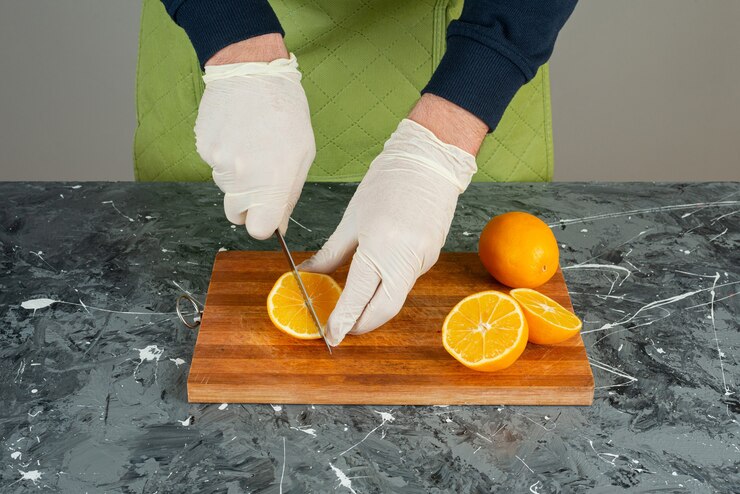
In the culinary world, food safety is a top priority. Ensuring that food is prepared in a clean and safe environment is critical to preventing foodborne illnesses and maintaining the trust of customers. One essential piece of personal protective equipment (PPE) that plays a significant role in food safety is the apron. Often overlooked as a basic uniform item, aprons are, in fact, a crucial barrier between food and potential contaminants. This blog post will explore why aprons are vital for food safety in the culinary industry, discussing their protective benefits, different types of aprons, and best practices for their use.
Protection Against Cross-Contamination
Cross-contamination is one of the leading causes of foodborne illnesses. It occurs when harmful bacteria or allergens are transferred from one surface to another, potentially contaminating food. In a busy kitchen, it is easy for contaminants to spread from clothing, hands, or surfaces to food. Aprons act as a protective barrier that helps prevent this transfer of contaminants. By covering the body and clothing, aprons reduce the risk of cross-contamination, ensuring that any dirt, bacteria, or allergens on a worker’s clothing do not come into contact with food or food preparation surfaces.
Shielding from Spills and Splashes
Kitchens are dynamic environments where spills and splashes are common. Hot liquids, sauces, oils, and other substances can easily splash onto a cook’s clothing, posing a risk of burns or stains. Aprons provide an added layer of protection, shielding the wearer from these hazards. By absorbing or repelling spills, depending on the material, aprons help keep the worker safe from burns and prevent their clothing from becoming contaminated. This not only protects the individual but also minimizes the risk of these contaminants coming into contact with food.
Hygienic Practices and Compliance with Food Safety Regulations
Wearing aprons is a hygienic practice that is often mandated by food safety regulations and guidelines. Health departments and food safety authorities require that kitchen staff wear clean, protective clothing to maintain a sanitary environment. Aprons are an easy and effective way to comply with these regulations. By wearing aprons, culinary professionals demonstrate their commitment to food safety standards, reducing the risk of foodborne illnesses and ensuring compliance with local health codes.
Differentiating Between Roles and Tasks
In a bustling kitchen, clear communication and organization are key to maintaining efficiency and safety. Aprons can help differentiate between roles and tasks, reducing confusion and ensuring that food safety protocols are followed. For example, color-coded aprons can be used to distinguish between staff who handle raw meats and those who handle ready-to-eat foods. This helps prevent cross-contamination by ensuring that staff do not inadvertently use the same equipment or work in the same area without proper sanitation. Aprons can also signify different levels of hygiene required for various tasks, further enhancing food safety.
Different Types of Aprons for Specific Needs
There are several types of aprons available, each designed to meet specific needs within the culinary industry. Understanding the different types of aprons and their applications is essential for maximizing food safety:
- Disposable Aprons: These are lightweight, single-use aprons made from plastic or other disposable materials. They are ideal for tasks that involve handling raw meats or other high-risk foods, as they can be easily discarded after use, reducing the risk of cross-contamination.
- Reusable Cloth Aprons: Made from cotton, polyester, or a blend of fabrics, reusable cloth aprons are durable and can be washed and reused multiple times. They are suitable for general kitchen tasks and provide a comfortable, breathable option for workers. It is important to wash these aprons regularly to ensure they remain hygienic.
- Waterproof Aprons: Typically made from materials like vinyl or rubber, waterproof aprons are designed to protect against spills and splashes. They are ideal for tasks that involve handling liquids, such as washing dishes or preparing soups and sauces. These aprons can be wiped clean easily, making them a convenient choice for maintaining hygiene.
- Bib Aprons: Covering the front of the body from the chest down to the knees, bib aprons provide extensive coverage and are a popular choice in professional kitchens. They protect against spills and splashes, making them ideal for chefs and cooks who work with a variety of ingredients and cooking methods.
- Waist Aprons: Tying around the waist and covering the lower body, waist aprons are often used by servers or bartenders. While they provide less coverage than bib aprons, they still offer protection against spills and help maintain a professional appearance.
Best Practices for Using Aprons in the Kitchen
To maximize the effectiveness of aprons in promoting food safety, it is important to follow best practices for their use:
- Wear Clean Aprons: Always start the day with a clean apron. If an apron becomes heavily soiled or contaminated, it should be replaced with a clean one immediately to prevent the spread of contaminants.
- Remove Aprons When Leaving Food Preparation Areas: Aprons should be removed when leaving food preparation areas to prevent cross-contamination. This includes breaks, using the restroom, or stepping outside.
- Properly Dispose of Disposable Aprons: Used disposable aprons should be discarded in designated bins to prevent contamination. Do not reuse disposable aprons.
- Wash Reusable Aprons Regularly: Reusable aprons should be washed after each shift to ensure they remain free from contaminants. Use hot water and detergent, and follow any care instructions provided by the manufacturer.
- Store Aprons Properly: Aprons should be stored in a clean, dry area when not in use. Avoid hanging aprons in areas where they could come into contact with contaminants or other dirty items.
In conclusion, aprons are an essential component of food safety in the culinary industry. They provide a protective barrier against cross-contamination, shield against spills and splashes, and help ensure compliance with food safety regulations. By choosing the right type of apron for specific tasks and following best practices for their use, kitchen staff can significantly reduce the risk of foodborne illnesses and maintain a clean, safe environment. At Pro Guard, we offer a wide range of aprons designed to meet the diverse needs of the culinary industry, helping you protect your staff and your customers with reliable PPE solutions.