
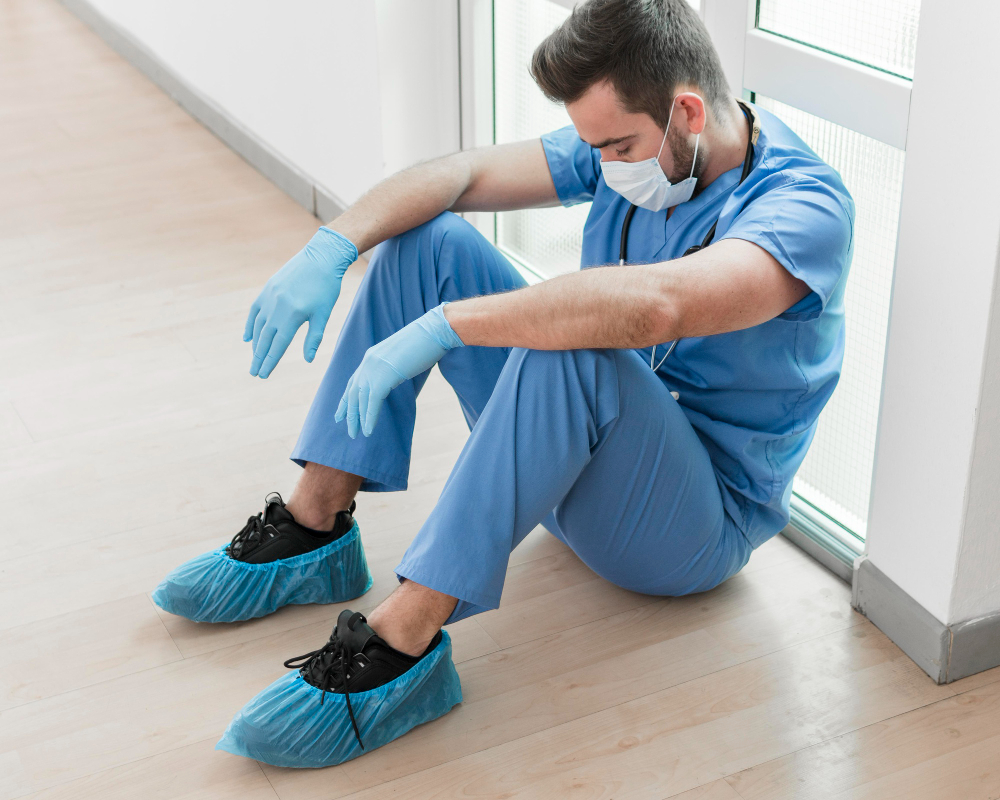
In medical facilities, maintaining a sterile and safe environment is crucial to preventing infections, ensuring patient safety, and upholding the highest standards of healthcare. One often overlooked yet highly effective tool in achieving these goals is the use of shoe covers. These disposable protective covers play a vital role in controlling contamination and maintaining cleanliness in medical settings. In this post, we will explore the top five benefits of using shoe covers in medical facilities and why they are an essential component of personal protective equipment (PPE).
Prevention of Cross-Contamination
One of the most significant benefits of using shoe covers in medical facilities is the prevention of cross-contamination. Medical environments are highly susceptible to contamination from pathogens, bacteria, and viruses that can be carried in on the soles of shoes. Shoe covers create a barrier that prevents these harmful microorganisms from being transferred from one area to another, particularly from non-sterile to sterile zones. This is especially important in areas such as operating rooms, intensive care units (ICUs), and laboratories, where maintaining a sterile environment is critical.
By using shoe covers, medical facilities can significantly reduce the risk of healthcare-associated infections (HAIs), which are infections that patients acquire while receiving treatment for other conditions. These infections can lead to serious complications, prolonged hospital stays, and increased healthcare costs. By minimizing the risk of cross-contamination, shoe covers contribute to a safer environment for both patients and healthcare workers.
Protection of Flooring and Carpeting
Shoe covers also serve to protect flooring and carpeting within medical facilities. Healthcare environments are often subjected to heavy foot traffic, which can lead to wear and tear on floors and carpets. Dirt, dust, and debris can be tracked in from outside, causing damage and necessitating frequent cleaning and maintenance. In areas like examination rooms, operating theaters, and patient wards, keeping the floors clean is essential for hygiene and infection control.
By wearing shoe covers, healthcare workers, patients, and visitors can help keep floors clean and free from contaminants. This not only helps maintain a sterile environment but also reduces the need for constant cleaning, saving time and resources. In the long run, using shoe covers can help extend the life of flooring and carpeting, reducing maintenance costs for medical facilities.
Improved Patient Perception and Trust
Patients and their families often judge the quality of a healthcare facility by its cleanliness and appearance. A clean and well-maintained environment not only promotes a sense of comfort and safety but also builds trust in the quality of care provided. Seeing healthcare workers wearing shoe covers can enhance patients’ perception of the facility’s commitment to maintaining a hygienic and safe environment.
The use of shoe covers demonstrates a proactive approach to infection control and shows that the facility takes its responsibility for patient safety seriously. This can be particularly reassuring for patients with compromised immune systems, such as those undergoing chemotherapy or transplant surgery, who are at higher risk of infections. By visibly prioritizing cleanliness and infection prevention, medical facilities can improve patient satisfaction and trust.
Compliance with Health and Safety Regulations
In many countries, health and safety regulations mandate the use of PPE, including shoe covers, in certain medical settings. These regulations are designed to protect both healthcare workers and patients from potential hazards and to ensure a safe working environment. Non-compliance with these regulations can result in penalties, legal liabilities, and damage to the facility’s reputation.
Using shoe covers is a simple yet effective way to comply with these health and safety regulations. By ensuring that all staff and visitors wear shoe covers in designated areas, medical facilities can avoid regulatory issues and demonstrate their commitment to adhering to industry standards. Regular training and reminders about the importance of PPE, including shoe covers, can help reinforce a culture of safety and compliance within the facility.
Easy Implementation and Cost-Effectiveness
One of the greatest advantages of shoe covers is their ease of use and cost-effectiveness. Unlike some other forms of PPE, shoe covers are inexpensive, widely available, and simple to implement in any healthcare setting. They can be quickly donned and removed, making them convenient for both healthcare workers and visitors. Disposable shoe covers are typically made from lightweight, breathable materials that are comfortable to wear for extended periods.
Moreover, the use of shoe covers can be scaled to meet the needs of the facility. They can be provided at entrances to sterile areas, operating rooms, or anywhere contamination control is required. The low cost of shoe covers makes them an affordable option for facilities of all sizes, from small clinics to large hospitals. By investing in shoe covers, medical facilities can enhance their infection control measures without a significant financial burden.
In conclusion, shoe covers are a simple yet highly effective form of PPE that offers numerous benefits for medical facilities. They play a crucial role in preventing cross-contamination, protecting flooring, improving patient perception, ensuring regulatory compliance, and providing a cost-effective solution for infection control. By incorporating shoe covers into their standard PPE protocols, medical facilities can create a safer, cleaner, and more trusted environment for patients and healthcare workers alike. At Pro Guard, we offer a range of high-quality shoe covers designed to meet the needs of various healthcare settings, helping you maintain the highest standards of safety and hygiene.